AI Agents Need Authentication Before They Need Intelligence
Powerful AI agents can automate business workflows but without proper authentication they can become your biggest security risk.
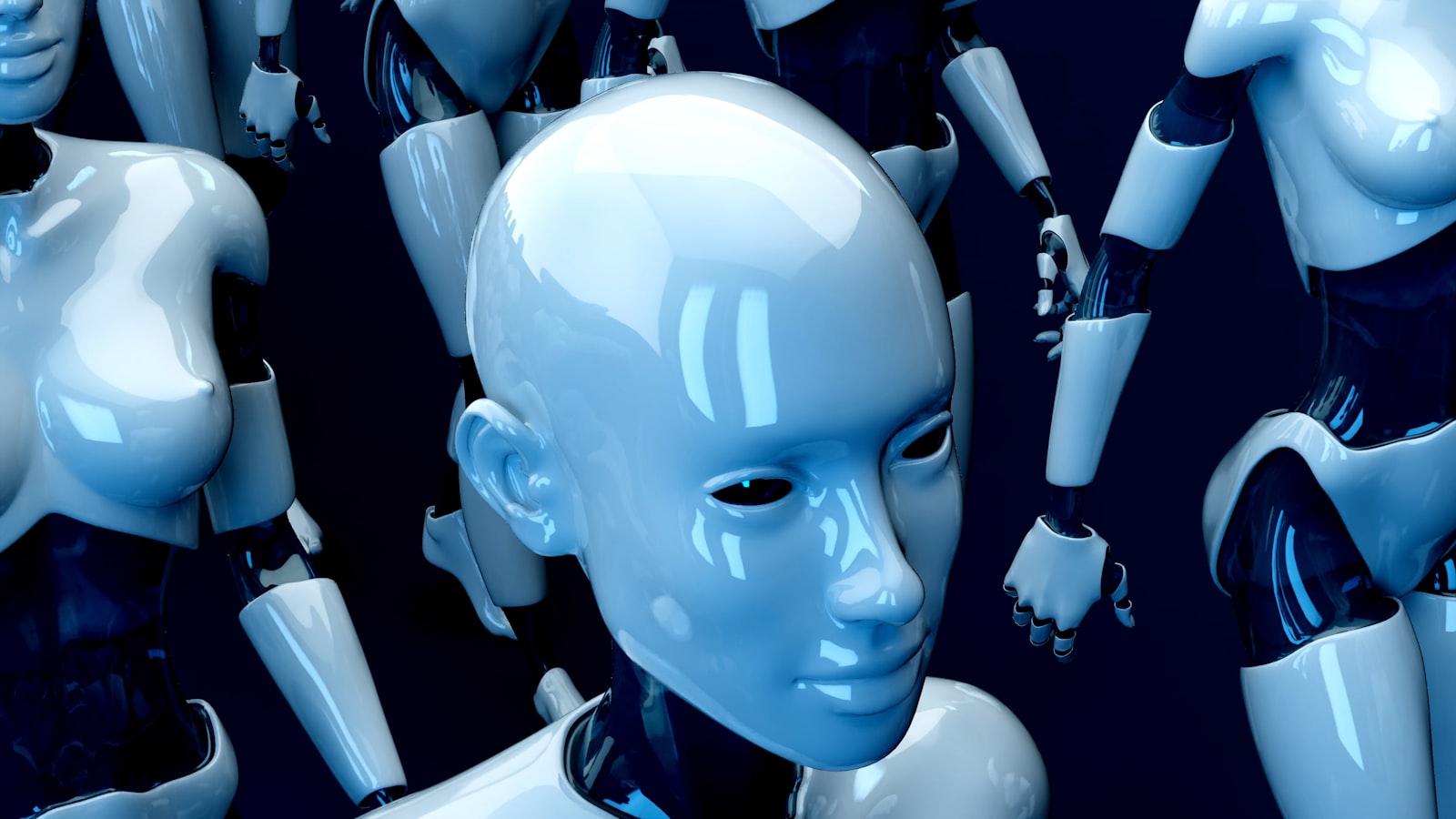
AI agents are becoming the new workforce inside modern businesses. They can answer customer questions, analyze documents, update CRM records, generate reports and even execute complex workflows without human intervention.
While organizations are investing heavily in making AI agents smarter, many overlook a much more important question:
Can your AI agent prove its identity before accessing critical business systems?
Unlike traditional software, AI agents continuously interact with APIs, cloud services, databases and third-party applications. If authentication is weak or permissions are excessive, a compromised AI agent can expose sensitive data, trigger unauthorized actions, or become an entry point for attackers.
This is why enterprise AI security begins with strong authentication.
Modern organizations are adopting identity-first security models where every AI agent receives verified credentials, least-privilege access, temporary tokens, and continuous authorization checks. These controls reduce risk while allowing AI systems to operate safely across enterprise environments.
Our complete AI Agent Authentication guide explains authentication methods, enterprise architecture, implementation strategies, and best practices for securing autonomous AI systems
Authentication alone is not enough. Enterprises also need governance policies that define what AI systems are allowed to do, which data they can access, and how risky actions should be monitored and controlled.
Learn how organizations build secure AI governance using enterprise guardrails in our detailed guide
As AI adoption accelerates, businesses that treat identity as the foundation of AI security will build systems that are more reliable, compliant and resilient against modern threats.